Ashburton Park gardeners local maintenance guide
If you live near Ashburton Park, you already know the garden has a habit of telling the truth. A lawn starts to thin out. Hedges creep a little wider than they should. Spring bulbs appear, then a dry spell arrives and everything suddenly looks tired. That is exactly where an Ashburton Park gardeners local maintenance guide becomes useful: not as a fancy theory piece, but as a practical way to keep outdoor spaces healthy, tidy, and manageable through the year.
This guide is written for homeowners, landlords, small residential blocks, and anyone who wants a garden that looks cared for without becoming a second job. You will find local maintenance priorities, seasonal routines, common mistakes, and the kind of decisions that help you get reliable results. If you are comparing service options too, it may help to look at the wider garden services overview and the company's about us page to understand the approach behind the work.
Truth be told, most garden problems do not start dramatically. They creep in quietly. A missed cut here, a blocked bed edge there, a bit of moss after a wet week. Then, one morning, the whole place feels a touch out of hand. The good news? Regular maintenance is usually simpler than recovery work, and far less stressful.
Table of Contents
- Why Ashburton Park gardeners local maintenance guide Matters
- How Ashburton Park gardeners local maintenance guide Works
- Key Benefits and Practical Advantages
- Who This Is For and When It Makes Sense
- Step-by-Step Guidance
- Expert Tips for Better Results
- Common Mistakes to Avoid
- Tools, Resources and Recommendations
- Law, Compliance, Standards, or Best Practice
- Options, Methods, or Comparison Table
- Case Study or Real-World Example
- Practical Checklist
- Conclusion
- Frequently Asked Questions
Why Ashburton Park gardeners local maintenance guide Matters
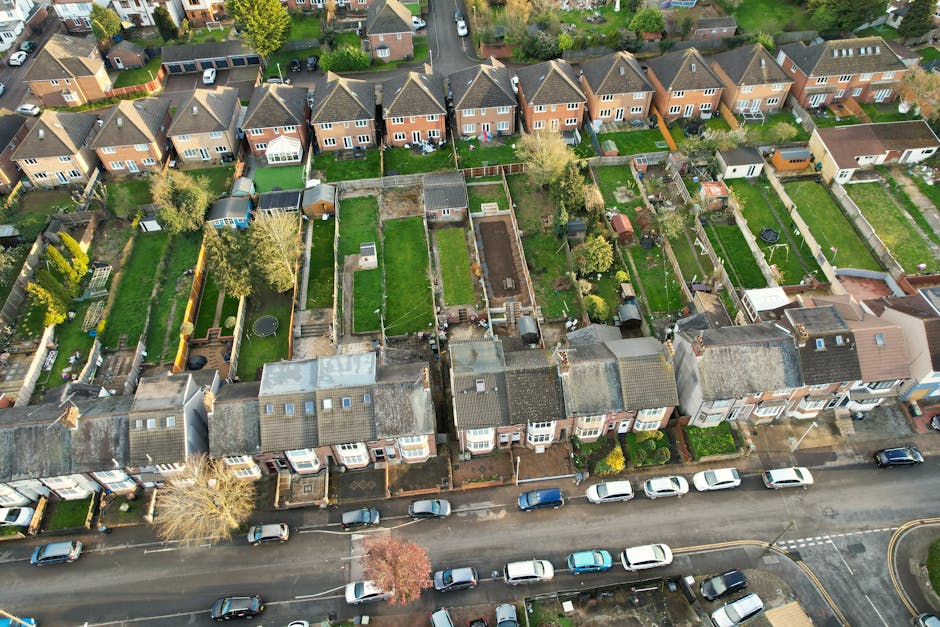
Ashburton Park and the surrounding streets tend to reflect a familiar South London rhythm: mixed front gardens, compact back gardens, shared access paths, mature shrubs, and enough shade, wind, and seasonal moisture to keep things interesting. That mix is lovely, but it also means a one-size-fits-all gardening approach rarely works well.
A local maintenance guide matters because gardens in this part of London often need regular, modest intervention rather than occasional big overhauls. A few short visits, properly planned, usually do more good than a single heavy-handed tidy-up. You get healthier growth, fewer overgrown corners, and a garden that looks intentional instead of left to chance.
There is another reason too. Local maintenance helps you work with the site conditions, not against them. Some gardens near Ashburton Park get afternoon shade. Others sit in windy positions or have heavy clay soil that holds water after rain. Those details shape how often you mow, prune, feed, water, and aerate. Ignore them and you end up fighting the garden all year. Notice them and things get easier. Much easier.
Expert summary: good garden maintenance in Ashburton Park is usually about consistency, observation, and light-touch care. The goal is not perfection. It is a garden that stays healthy, tidy, and resilient without constant rescue work.
For people who want reliable help rather than guesswork, it can be useful to compare service scope and expectations early on. Pages such as pricing and quotes and contact us are practical starting points when you are ready to discuss what your garden actually needs.
How Ashburton Park gardeners local maintenance guide Works
A local maintenance guide works by breaking garden care into repeatable tasks that match the season, the site, and the way you use the space. That sounds obvious, but it is the difference between a garden that steadily improves and one that alternates between neglected and overworked.
In practice, the process usually starts with a simple assessment. What is growing well? What is struggling? Where does water sit after rainfall? Which areas are most visible from the house or pavement? Which plants need cutting back, and which should be left alone until later? These questions shape the routine.
From there, the maintenance plan normally covers:
- regular mowing and edging
- hedge trimming and shrub shaping
- border weeding and soil care
- deadheading and light pruning
- leaf clearance and debris removal
- basic plant health checks
- watering support during dry spells
- tidying paths, patios, and access points
That list can be scaled up or down depending on the property. A small front garden may only need a quick tidy every few weeks. A larger back garden with mature planting may need more frequent visits, especially in spring and early summer when growth goes a bit wild. Let's face it, plants do not consult the diary before they decide to grow.
A good local gardener will also consider safety and access. For example, is there room for equipment? Are there slippery steps, low branches, or uneven edges? If you are arranging professional support, it is sensible to understand how a provider approaches safety and liability. The site's insurance and safety and health and safety policy pages are worth a look for that reason.
Key Benefits and Practical Advantages
The obvious benefit of regular maintenance is that the garden looks better. But the real value goes deeper than neatness. Ongoing care prevents small problems from becoming expensive ones, and it often extends the life of existing planting.
1. Healthier plants
Routine pruning, feeding, and deadheading help many plants direct energy into healthy growth rather than wasteful old stems or seed heads. You will often notice stronger flowering and fuller borders when maintenance is steady.
2. Lower long-term effort
A garden that is kept on top of is far easier to manage than one that needs a dramatic seasonal rescue. That is true for lawns, hedges, and shrubs alike. Regular attention means fewer oversized jobs later.
3. Better kerb appeal
If your property faces the road, a tidy front garden changes the whole feel of the house. Crisp edges, swept paths, and controlled planting make a place look cared for in a way that people notice immediately.
4. Safer outdoor spaces
Overgrown areas can hide trip hazards, obscure access routes, or create slippery patches. Maintenance helps keep paths, steps, and boundaries clear. In a family garden, that matters a lot more than people think at first.
5. Smarter use of water and materials
When beds are mulched properly and lawns are maintained correctly, you often waste less water and reduce unnecessary replacement planting. If sustainability matters to you, the company's recycling and sustainability information is also a useful reference point.
One practical advantage is easy to miss: a maintained garden gives you options. You can host people, potter in the evening, let children play, or simply sit with a cup of tea and not feel guilty about the untidy bits. Small thing, maybe. But it changes how a garden is used.
Who This Is For and When It Makes Sense
This kind of local maintenance guide is useful for more people than you might expect. It is not just for large homes with formal gardens. In fact, the most common need is often a modest, lived-in garden that just needs steady attention.
- Homeowners: if you want your garden to stay tidy without sacrificing your weekends.
- Landlords: if you need outdoor areas to remain presentable between tenancies or during inspections.
- Busy families: if the garden gets used a lot, but nobody has time for weekly catch-up work.
- Older homeowners: if bending, lifting, and ladder work are becoming less appealing, quite understandably.
- Small block or shared property managers: if entrances, borders, and communal areas must look orderly.
It also makes sense if you have just moved in and want the garden brought under control before deciding what to keep, replace, or redesign. A few months of maintenance often reveals what the space wants to be. That sounds a bit poetic, but it is true enough.
If you are still exploring your options, looking at the company's services overview can help you judge whether you need simple maintenance, a one-off reset, or a more regular arrangement.
Step-by-Step Guidance
Below is a straightforward maintenance sequence that works well for many gardens around Ashburton Park. It is not a rigid formula, because gardens rarely behave politely, but it is a dependable starting point.
Step 1: Walk the garden before touching anything
Spend a few minutes looking, not just working. Check where the grass is thinning, where weeds are appearing, and which shrubs are starting to crowd each other. A quick visual scan saves time later.
Step 2: Clear obvious debris
Remove leaves, broken branches, litter, and old plant material. This opens up the garden and makes every other task easier. It also helps reveal what is actually going on beneath the clutter.
Step 3: Tidy the edges
Clean edges along lawns, beds, and paths. Edging is one of those small jobs that makes the whole place feel sharper. Slightly boring, yes. Very effective, also yes.
Step 4: Weed with purpose
Do not just skim the top. Remove weeds from roots where possible, especially near patios, borders, and paving joints. For persistent weeds, repeated light treatment is often better than hacking everything in one go.
Step 5: Prune selectively
Cut back dead, damaged, or crossing growth. Keep an eye on the plant's natural shape. Over-pruning is a common mistake; it can leave shrubs looking bare and slow to recover.
Step 6: Mow or strim as needed
Lawns usually perform best with regular, moderate mowing rather than drastic cutting. In dry spells, leaving the grass slightly longer can help reduce stress. If the lawn is patchy, it may need a different plan altogether.
Step 7: Feed, mulch, and water thoughtfully
Healthy borders often benefit from compost or mulch, especially after weeding. Water newly planted or thirsty plants at the root zone rather than spraying everything indiscriminately. A watering can applied calmly at dusk can do more good than a quick blast with a hose in midday sun.
Step 8: Finish with a final sweep
End with a reset. Check gates, paths, bins, and visible corners. This last walk-through catches the little details that people remember. The stray clump, the forgotten pot, the one branch that keeps brushing a path. Funny how the final five minutes often matter most.
Expert Tips for Better Results
Small, consistent improvements usually beat dramatic interventions. That is especially true for local gardens with mixed planting and limited space.
- Work with the season, not against it: spring growth needs more frequent attention; late autumn often calls for clearance and protection.
- Do less, but do it regularly: a little and often approach keeps the garden stable and usually looks better too.
- Keep paths and entrances clear: they shape the first impression and reduce nuisance clutter.
- Mulch bare soil: this can help retain moisture, suppress weeds, and make beds look finished.
- Watch for drainage issues after rain: pooling water, soggy turf, and moss can signal an underlying problem.
- Prune with a reason: every cut should improve structure, health, or access. If it does neither, pause.
A helpful local habit is to think in terms of visibility. What can be seen from the street? What do you notice from the kitchen window? Those sightlines often tell you where maintenance has the biggest impact. A garden does not need to be flawless. It needs to read as cared for.
And a small practical note: if you have flowering shrubs or nesting-friendly foliage, timing matters. Sometimes the best course is to wait, not act. That patience saves mistakes, and frankly it saves money too.
Common Mistakes to Avoid
Many garden maintenance problems come from trying to do too much, too fast. It is an easy trap. You look out on a Saturday morning, see three different issues, and think, right, I will sort all of this in one sweep. Then the loppers come out and things get messy.
Cutting everything back hard
Heavy pruning can stress shrubs and remove the structure that makes them attractive. Some plants can handle it; many cannot. If you are unsure, lighter cuts are usually safer.
Ignoring lawn health until it is patchy
Lawns do not usually fail overnight. They thin slowly through compaction, drought stress, moss, or poor mowing habits. Catching those signs early is far easier than renovating a tired lawn later.
Leaving weeds until they spread
A few weeds in one corner become a larger job very quickly. Especially in paving joints, gravel, and borders. They are persistent little things, to be fair.
Overwatering
Watering too often can be just as unhelpful as not watering enough. Many established plants prefer deeper, less frequent watering rather than constant surface dampness.
Forgetting seasonal timing
Some tasks work best at specific times of year. If you prune at the wrong moment or disturb soil when it is too wet, you can create more problems than you solve.
Using the wrong maintenance level
A compact urban garden does not need the same treatment as a larger informal space. Matching the work to the garden prevents waste and avoids that overmanaged look that nobody really wants.
Tools, Resources and Recommendations
You do not need a van full of equipment to maintain a garden properly. Most routine work can be covered with a sensible, well-kept kit and a realistic plan.
| Tool or resource | Best use | Why it matters |
|---|---|---|
| Bypass secateurs | Cutting living stems and small branches | Gives cleaner cuts and is easier on plants |
| Shears or hedge trimmer | Shaping hedges and tidy growth | Helps maintain structure and boundaries |
| Rake | Leaf and debris clearance | Useful for tidying lawns and borders |
| Spade or border fork | Edging, lifting, and soil work | Makes border maintenance more precise |
| Gloves | General protection | Simple, but worth having every time |
| Wheelbarrow or garden trug | Moving cuttings and debris | Saves repeated trips and keeps things orderly |
| Mulch or compost | Soil improvement and moisture retention | Supports healthier beds over time |
If you are hiring help, good communication is as important as the tools. Be clear about what you want to keep, what you dislike, and what must remain accessible. A professional can work faster and more accurately when those details are obvious from the start. The same goes for practical things like payment, scheduling, and terms; the site's payment and security and terms and conditions pages help set those expectations clearly.
One more thing: if you are dealing with a lot of green waste, it is worth asking how it will be handled. Responsible removal and recycling are not glamorous topics, but they matter more than people think. Nobody wants bags sitting around for a week after the tidy-up.
Law, Compliance, Standards, or Best Practice
Garden maintenance in a residential setting is not usually complicated from a legal point of view, but there are still sensible standards to follow. The most important one is basic care: work safely, respect boundaries, and avoid damage to property or planting that is not meant to be removed.
If you are hiring a gardener, the key best-practice questions are straightforward:
- Is the work being carried out safely?
- Are tools, ladders, and machines being used properly?
- Is there appropriate insurance in place?
- Are waste materials handled responsibly?
- Are access arrangements, neighbours, and shared spaces being respected?
For shared properties or rental homes, it is sensible to keep maintenance notes and agree the scope in advance. That helps avoid confusion over what was done and why. It is not bureaucratic for the sake of it. It simply prevents annoying conversations later.
Where health, safety, or access is a concern, it is also reasonable to ask a provider how they manage risks on site. The company's insurance and safety, health and safety policy, and accessibility statement offer useful context on how professional standards are handled.
Best practice also includes keeping environmental impact in mind. That might mean choosing compostable or recyclable materials where possible, reusing healthy prunings, and avoiding unnecessary waste. It does not need to be grand or preachy. Just thoughtful.
Options, Methods, or Comparison Table
When people search for a local maintenance guide, they are often deciding between doing the work themselves, booking one-off help, or arranging regular visits. Each approach has its place.
| Method | Best for | Strengths | Limitations |
|---|---|---|---|
| DIY maintenance | Small gardens, confident owners, light upkeep | Flexible and cost-aware | Time-consuming, easy to miss seasonal tasks |
| One-off tidy-up | Overgrown or neglected spaces | Quick reset, visible improvement | Needs follow-up or the garden slips again |
| Regular maintenance visits | Busy households, rental property, steady presentation | Consistent results and less stress | Requires ongoing budget and coordination |
| Seasonal maintenance plan | Gardens with changing workload through the year | Good balance between cost and control | May still need occasional extra visits |
For many Ashburton Park households, the sweet spot is a seasonal or regular plan. It keeps the garden from swinging between "fine" and "oh no." That balance often matters more than chasing a perfect finish once in a while.
Case Study or Real-World Example
Here is a realistic example. A typical small back garden near Ashburton Park has a narrow lawn, a pair of hedges, a mixed border, and a paved path that gets a bit slippery in damp weather. At first glance, it does not look difficult. Then spring arrives, the hedge puts on a spurt, the border weeds come through, and the lawn starts to look patchy near the shaded side.
Instead of tackling everything in one exhausting session, a sensible maintenance routine would break the work into manageable parts. The first visit clears debris, tidies edges, and removes weeds. The second shapes the hedges lightly, checks the lawn for stress, and adds mulch around the border. The third focuses on deadheading, small pruning jobs, and a proper sweep of the paved area.
After a few rounds, the garden stops feeling like a chore. The lawn recovers. The borders look fuller. The path is safer. And the owner can actually enjoy it again without mentally adding up another weekend lost to catch-up work. That is the real value, honestly.
In many cases, the biggest shift is not visual at all. It is emotional. People relax a bit when the garden is under control. They open the back door and feel pleased instead of slightly judged by a patch of bindweed. Happens more than you would think.
Practical Checklist
Use this quick checklist before or after a maintenance visit:
- Lawns cut to a sensible height for the season
- Edges trimmed and borders clearly defined
- Weeds removed from beds, paving, and gravel
- Hedges and shrubs lightly shaped, not overcut
- Dead or damaged growth cleared away
- Paths, patios, and access points swept
- Leaves and debris removed from corners and drains
- Watering adjusted to the weather and plant needs
- Any risk areas, such as steps or uneven surfaces, checked
- Green waste collected or handled responsibly
- Any follow-up jobs noted for the next visit
If you can tick most of those boxes regularly, the garden will usually stay in good shape. Not perfect. Just good, stable, and pleasant to use. Which is plenty.
Conclusion
An effective Ashburton Park gardeners local maintenance guide is really about making outdoor care manageable. It brings together seasonal timing, practical tasks, safety awareness, and a realistic understanding of how local gardens behave. When maintenance is consistent, the whole space becomes easier to live with and easier to enjoy.
Whether you are caring for a compact front garden, a family back garden, or a shared space that needs to stay presentable, the principles stay the same: observe carefully, act regularly, avoid overdoing it, and keep the work suited to the site. That is how gardens stay healthy without turning into a burden.
If you would like to discuss the right level of support for your property, start with the wider service information and then move into a conversation that fits your garden's needs. A quick look at pricing and quotes and a direct message through contact us can be a sensible next step.
Get a free quote today and see how much you can save.
And if you are standing in the garden right now, wondering where to start, start small. One tidy corner is often enough to get the whole place moving in the right direction. Funny how that works.
Frequently Asked Questions
What does an Ashburton Park gardeners local maintenance guide actually cover?
It covers the routine work needed to keep a garden healthy and tidy in the local area: mowing, edging, weeding, pruning, debris clearance, and seasonal care. It is a practical framework rather than a strict rulebook.
How often should a garden near Ashburton Park be maintained?
It depends on the size of the garden, the planting, and how quickly things grow. Many homes benefit from regular light maintenance during the active growing season, with less frequent visits in quieter months.
Is regular maintenance better than a one-off garden tidy-up?
Usually, yes, if you want the garden to stay in good condition. A one-off tidy-up is useful for a reset, but regular maintenance is better for preventing problems from building up again.
What are the most common garden issues in local residential areas?
Overgrown hedges, weeds in paving, patchy lawns, moss in shaded areas, and cluttered borders are all common. Weather, shade, and soil type can make some of these worse.
Can I manage garden maintenance myself?
Yes, if the garden is small and you have time and confidence with the tasks. DIY works well for light upkeep, but larger or more complex gardens often need more consistent attention.
What should I ask before hiring a gardener for maintenance work?
Ask about the scope of work, frequency, waste handling, insurance, safety practices, and how changes or extra jobs are agreed. Clear expectations save a lot of hassle later.
How do I know if my lawn needs professional attention?
If it is thinning, patchy, compacted, full of moss, or uneven in growth, it may need more than a standard cut. A professional can advise whether it needs feeding, aeration, scarifying, or simply better mowing habits.
What is the difference between pruning and trimming?
Pruning usually means removing specific stems or branches to improve plant health, shape, or structure. Trimming is often lighter and more about tidying or controlling growth, especially with hedges.
Do professional gardeners remove green waste?
Many do, but it should be agreed in advance. It is sensible to check how cuttings, branches, and other waste will be collected and disposed of.
How can I keep maintenance costs under control?
Focus on consistency, seasonal planning, and prioritising the areas that matter most. A well-planned maintenance routine is usually cheaper than repeatedly fixing neglected areas.
What if my garden is small but difficult?
Small gardens can still be tricky if they are shaded, narrow, sloped, or heavily planted. In those cases, targeted maintenance often works better than broad, generic jobs.
Where can I find more information about service options and company standards?
You can review the wider services overview, learn more on the about us page, or check the company's insurance and safety information before making a decision.
What is the best next step if I want help with my garden?
The best next step is to list what you want maintained, decide whether you need one-off or regular help, and then make an enquiry through contact us. A clear brief makes the first conversation far more useful.
Sometimes the simplest approach is the best one: keep the garden ticking over, notice what it tells you, and let small improvements build naturally over time. That tends to pay off in the nicest way.